

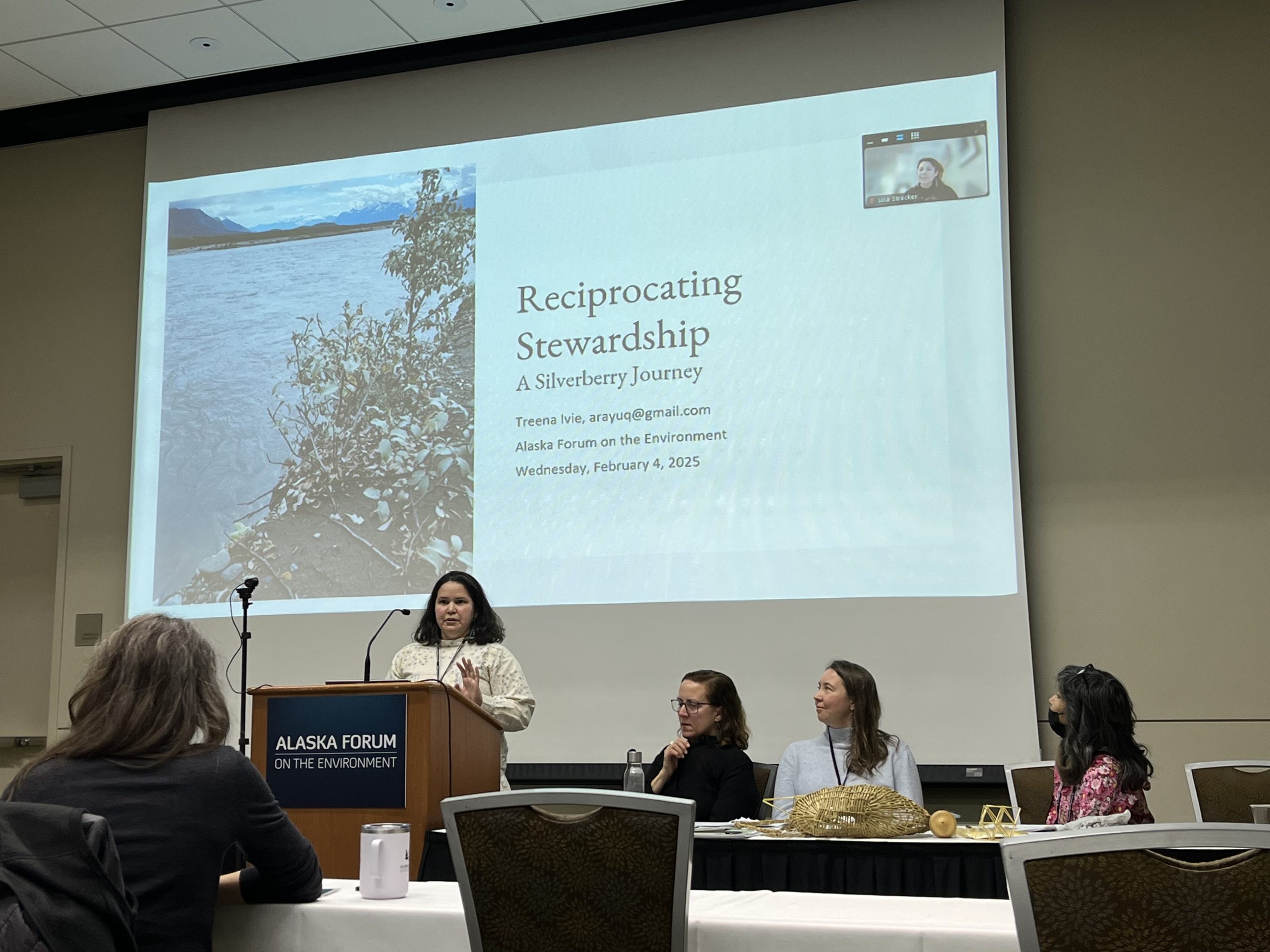
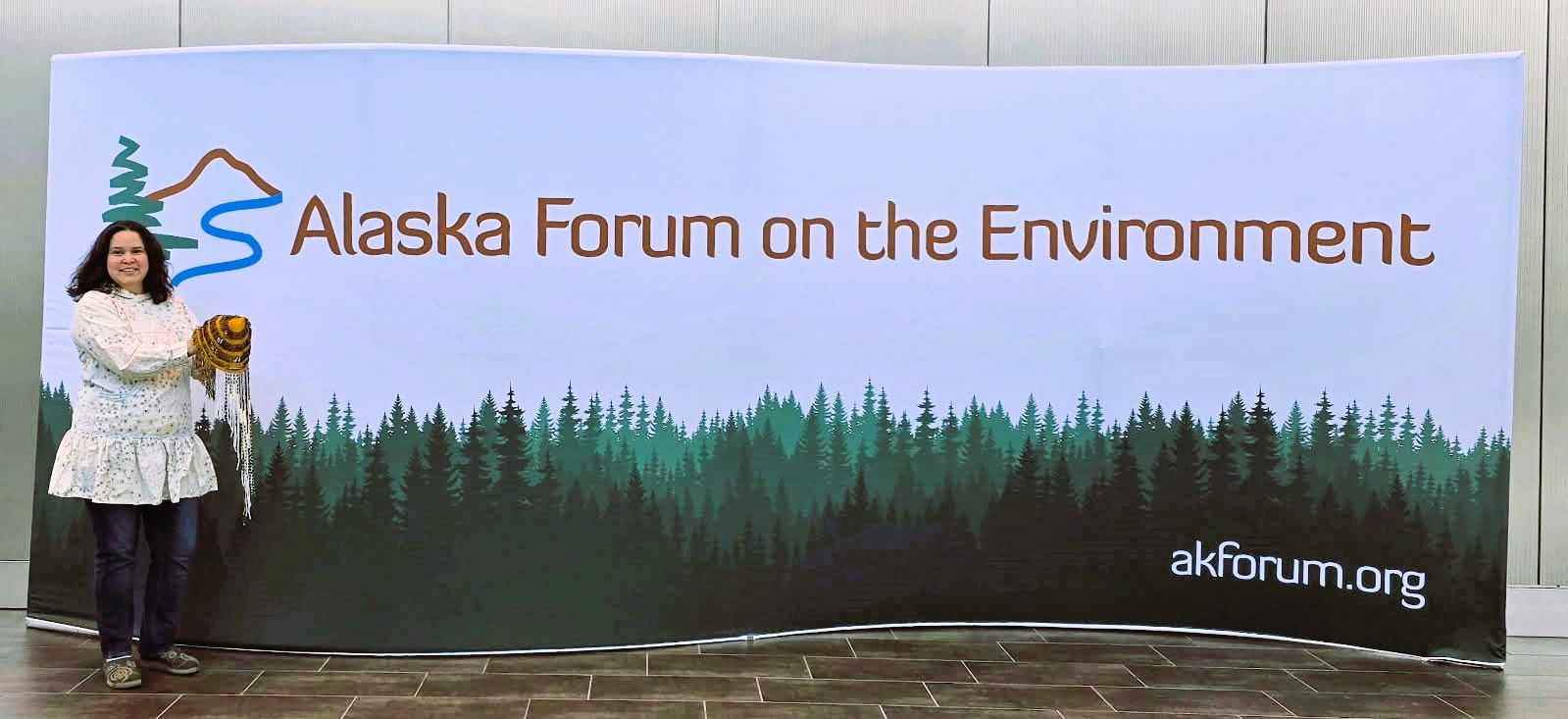
On February 4, 2025, the UAF Ethnobotany Program held a conference session at the Alaska Forum on the Environment dedicated to the importance of plants for holistic well-being and health.
Abstract: There are many reasons why it is important to learn about the plants of the places we come from or live. We need to know which plants can be dangerous or good for us. The many ways we as humans relate to plants also provide insights into how we see our place in the world. This panel combines scientific, artistic, and other hands-on and immersive examples of ethnobotanical explorations.

Moderator: Lisa Strecker, UAF
Speakers:
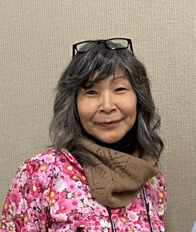
Agrafina Baugh (Yup’ik and Athabascan, Elder from Stony River, Bethel and Anchorage) in collaboration with Lowrie Ward (Ethnobotany OEC student, Anchorage): Learning About Plants for Well-Being.
“We thrive on our traditional uses of plants and medicine that is passed down for generations, and was taught by our Elders and parents. They viewed the land and the resources that it provided as sacred and they offered prayers and thankfulness when they gathered of these subsistence plants. They had words of wisdom on how to gather the plants as well, and not to overharvest. For example the tundra tea, they didn’t want us to take the whole plant, just the leaves off.
One of the things they taught us that was passed down, when you are going through something in their life that is very hard, that would you go into the woods, or into the tundra, and you shake off your pain, let it go into the wind, shake yourself off. As you are doing your chores, it could be picking berries or gathering plants, you are talking, letting your hurts go, and it will blow away in the wind. When you come, you will feel happier and healthier. That’s what I was told, what they taught. It is true, when you do these things, you come away feeling happier, lighter, it makes you feel that you are healed wholistically, mentally, emotionally, physically and spiritually. (Agrafina Baugh)”
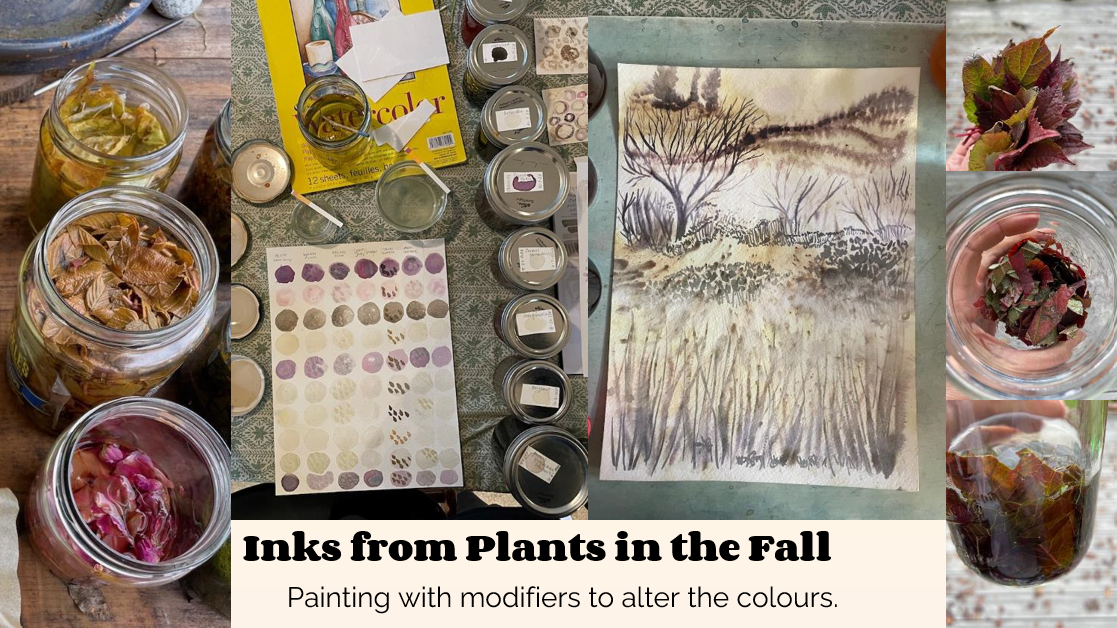
Dawn Biddison (museum specialist, Smithsonian Arctic Studies Center, Anchorage): Collaborative Research, Conservation & Exhibition with Home Communities.
To learn more about Dawn Biddison’s work, explore the resources on the Smithsonian Learning Lab and, specifically, her ongoing Woven Together Project.
